
Master Spanish Public Speaking and Watch Your Influence Grow.
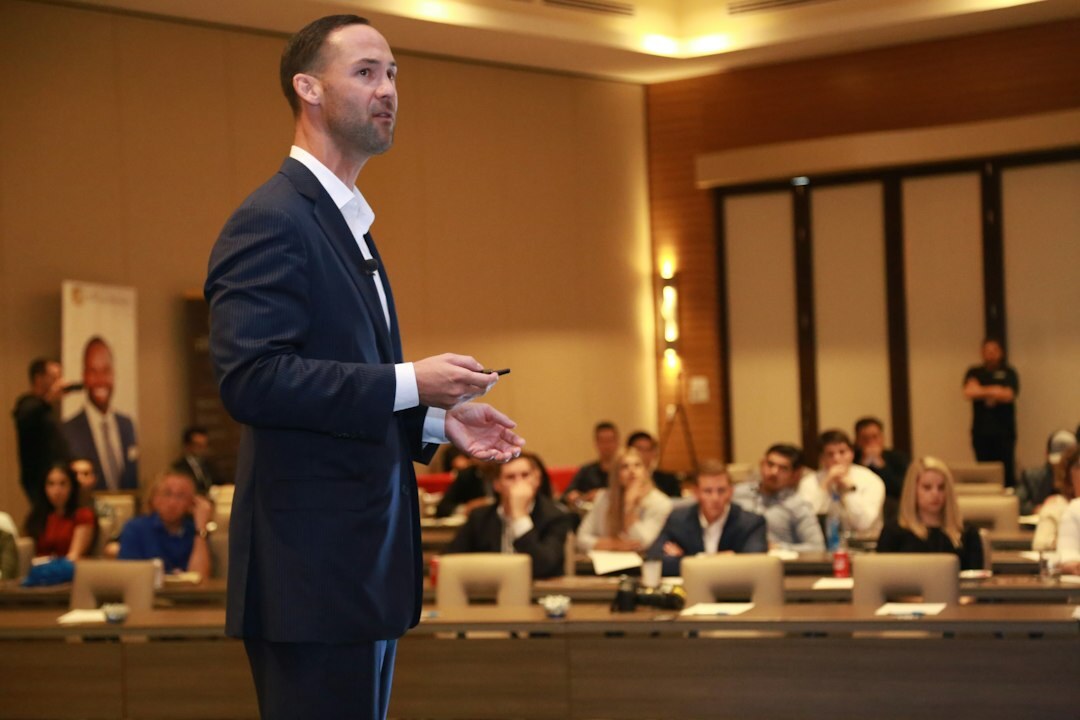
Public speaking in Spanish opens doors that many professionals overlook. Whether you are addressing a boardroom in Madrid or networking at a conference in Mexico City, the ability to command attention in this global language sets you apart. It is not just about fluency; it is about crafting messages that resonate, using body language that matches cultural expectations, and building genuine connections with diverse audiences.
Why Spanish Public Speaking Matters Today
Spanish is spoken by over 500 million people worldwide. Companies expanding into Latin America or Spain need leaders who can present ideas clearly and persuasively. Many professionals struggle because they focus only on vocabulary instead of delivery and structure. Effective training addresses these gaps by combining language practice with proven communication techniques.

Consider the story of a marketing director who joined a specialized program. She started with basic presentations but quickly learned to adapt her tone for different regions. Within months, her influence grew as she secured partnerships across three countries. This kind of growth comes from consistent practice and feedback, not from reading books alone.
Key Elements of Powerful Spanish Speeches
Successful speeches begin with a strong opening that captures interest immediately. Use stories or surprising facts relevant to your audience. Structure the middle with clear points supported by examples. End with a memorable call to action that inspires action. In Spanish, pay attention to rhythm and emphasis, as these elements differ from English presentations.
- Practice pronunciation of key phrases to avoid distractions.
- Incorporate pauses for emphasis and audience reflection.
- Adapt gestures to match Spanish-speaking cultural norms.
- Use rhetorical questions to engage listeners actively.
Training programs often include video reviews so participants can see their progress. This visual feedback helps refine both verbal and non-verbal skills quickly.
Building Confidence Through Targeted Practice
Confidence grows when you rehearse in realistic settings. Role-playing scenarios such as investor pitches or team meetings prepares you for real challenges. Groups in training sessions provide supportive yet honest critiques that highlight strengths and areas for improvement.

One participant shared how overcoming stage fright transformed his career trajectory. He moved from quiet contributor to team leader after mastering techniques like breathing exercises and mental visualization. These simple tools make a significant difference when facing large crowds.
Overcoming Common Challenges
Many learners worry about regional accents or slang variations. Good training focuses on neutral Spanish that works across borders while teaching awareness of local expressions. Another hurdle is organizing thoughts under pressure. Structured frameworks help speakers stay on track even when nerves arise.
Mastering Spanish public speaking is less about perfection and more about authentic connection that builds lasting influence.
Regular practice sessions also address listening skills. Understanding audience reactions allows you to adjust your message on the fly, making presentations more dynamic and effective.
Long-Term Benefits for Your Career
Those who invest in Spanish communication training often see promotions and new opportunities. Influence expands as you become the go-to person for international projects. Networks grow stronger because clear communication builds trust faster than any other skill.

Over time, these abilities compound. A single well-delivered speech can lead to collaborations that span years. Training provides the foundation, but real-world application turns skills into influence that lasts.
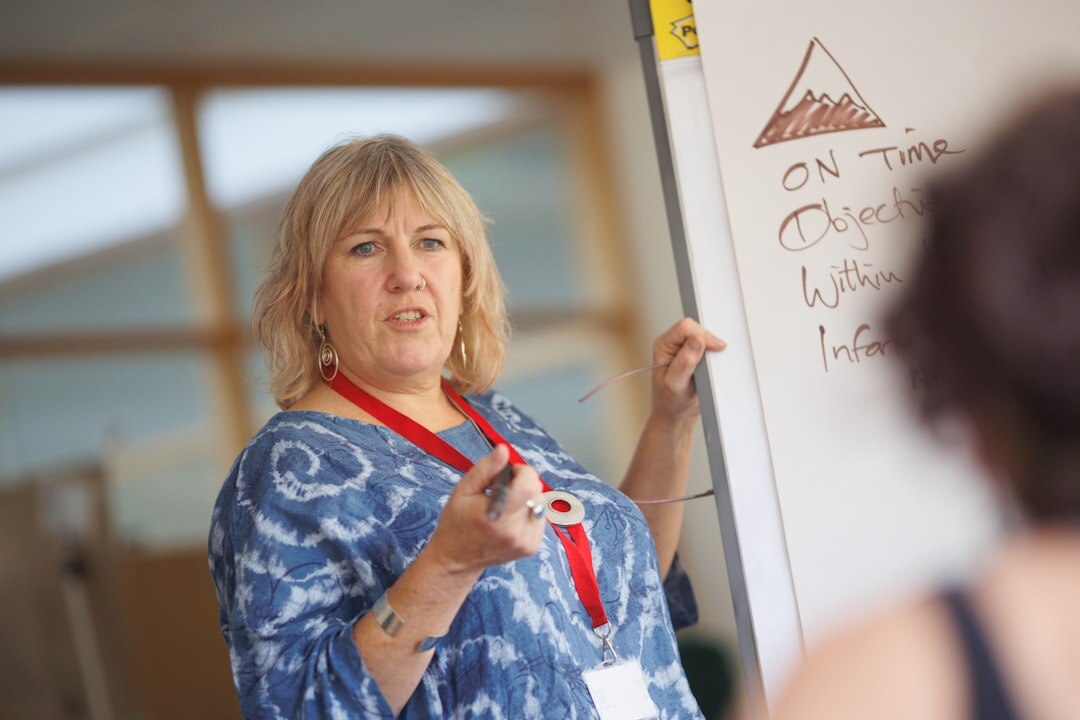
Start with small steps like joining local speaking clubs or recording yourself daily. Consistent effort leads to noticeable improvements within weeks. The path to greater influence begins with deciding to develop this essential skill.