
Captivate Crowds with These Spanish Oratory Secrets.
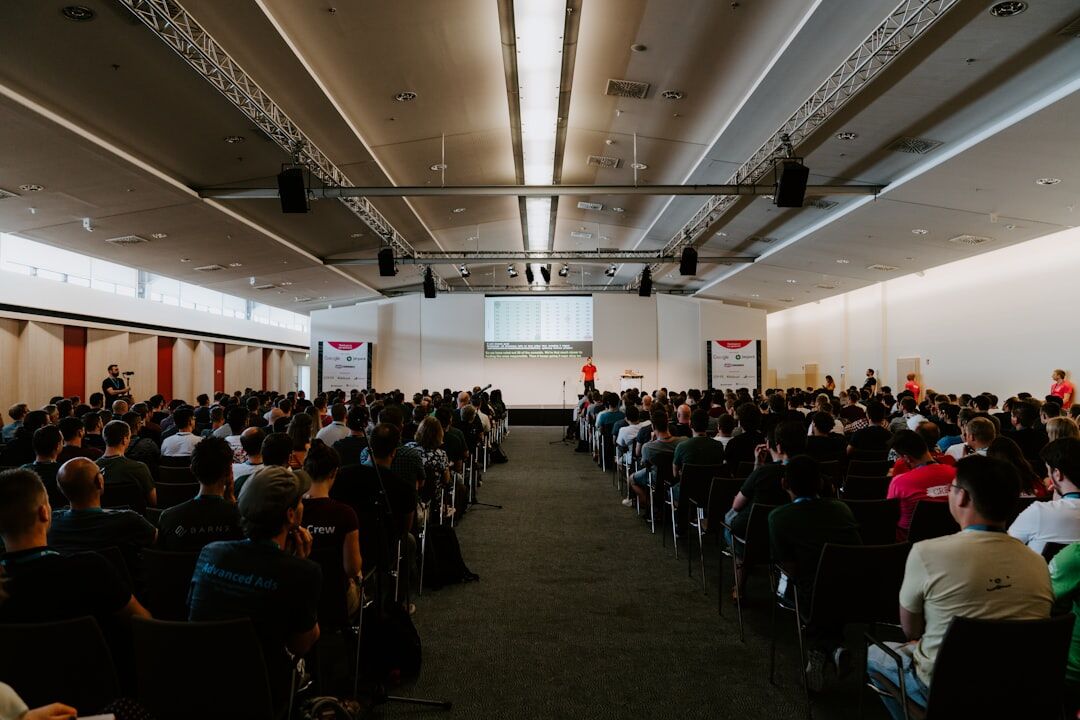
Public speaking has always held a special place in Spanish culture, from the passionate debates in ancient forums to the eloquent addresses that shape modern politics and business. If you want to truly captivate crowds, drawing on Spanish oratory traditions can give you an edge that feels both authentic and powerful. These secrets go beyond basic tips and tap into rhythm, emotion, and storytelling that have moved listeners for centuries.
The Power of Passionate Delivery
Spanish speakers often excel at infusing their words with genuine emotion. Think of how a flamenco singer pours feeling into every note. In oratory, this translates to varying your tone and pace to match the message. Start slow when sharing a personal story, then build intensity as you reach the key point. This approach keeps listeners hooked because they feel the speaker's commitment rather than just hearing facts.

Using Rhythm and Repetition
One hallmark of effective Spanish oratory is the musical quality of the language. Speakers repeat key phrases to create a hypnotic effect, much like verses in a poem. For example, a leader might say the same short sentence three times, each time with a slight change in emphasis. This technique reinforces the idea without boring the audience and makes the speech more memorable long after it ends.
Practice this by selecting your core message and finding natural ways to echo it. Avoid sounding robotic by letting the repetitions grow naturally from your enthusiasm.
Storytelling Rooted in Culture
Great Spanish orators know that facts alone rarely win hearts. They weave in vivid anecdotes drawn from history, family traditions, or everyday life. These stories create emotional connections and illustrate abstract ideas in relatable ways. Consider how tales of resilience during difficult times can inspire a team facing challenges today.
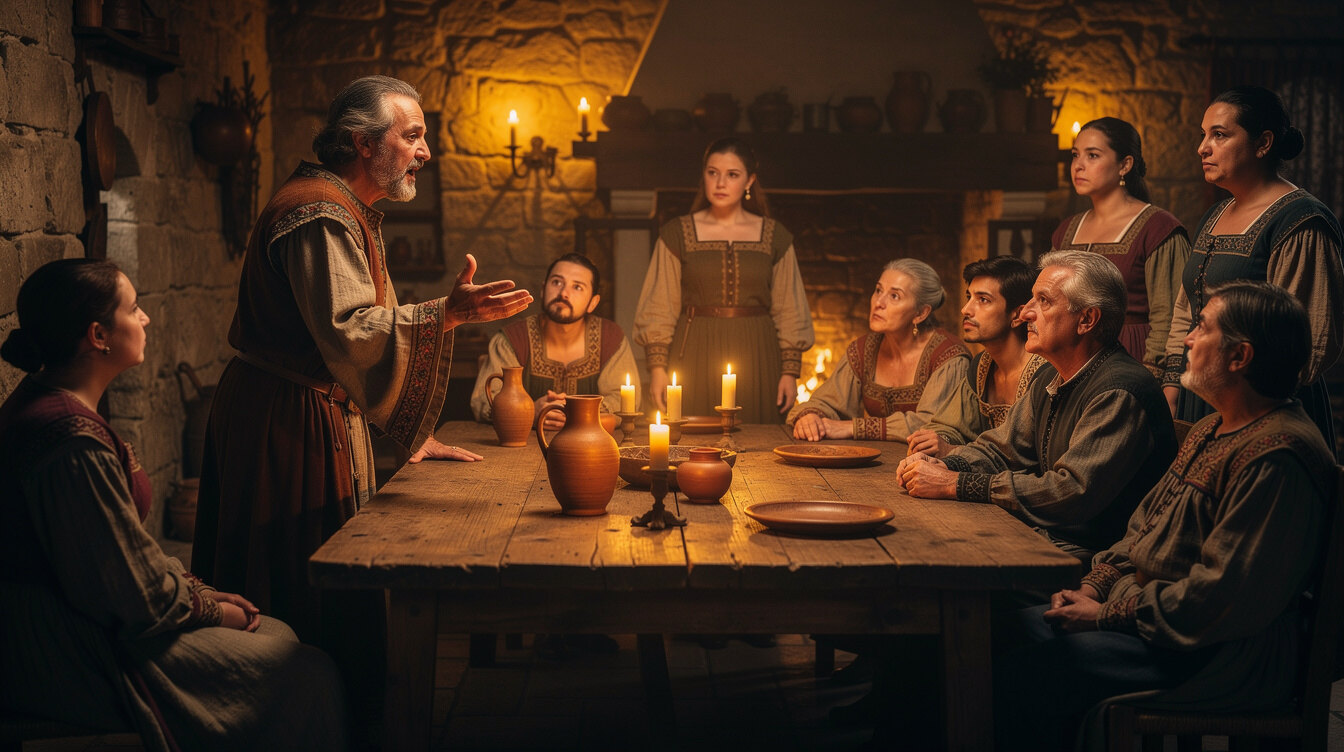
When preparing your own speech, collect three strong stories that support your main points. Keep them concise yet detailed enough to paint a picture. This method transforms a dry presentation into an experience the crowd will discuss afterward.
Gestures That Amplify Words
Body language plays a vital role in Spanish communication styles. Open hand movements, expressive facial reactions, and purposeful steps across the stage help emphasize ideas. These gestures should feel organic rather than rehearsed. Watch recordings of renowned Spanish speakers to observe how they use their entire presence to draw people in.
Remember, the best gestures support your words without distracting from them. Practice in front of a mirror until the movements feel second nature.
Connecting Through Shared Values
Spanish oratory often appeals to collective identity and shared dreams. Instead of focusing solely on individual success, highlight how the audience's unity can achieve something greater. This builds a sense of community and motivates people to act together.

Incorporate references to common experiences or cultural touchstones when appropriate. Even in international settings, universal themes like family, perseverance, and hope resonate deeply. End with a clear call that invites everyone to participate in the vision you have painted.
Mastering these elements takes time and deliberate practice, but the results are worth the effort. Audiences respond to speakers who seem both knowledgeable and deeply human. By blending these Spanish-inspired techniques with your own voice, you can captivate crowds and leave a lasting impression that drives real change.